Scuba Diving
There are many wonders of the under water world!
Here's some stuff I have seen
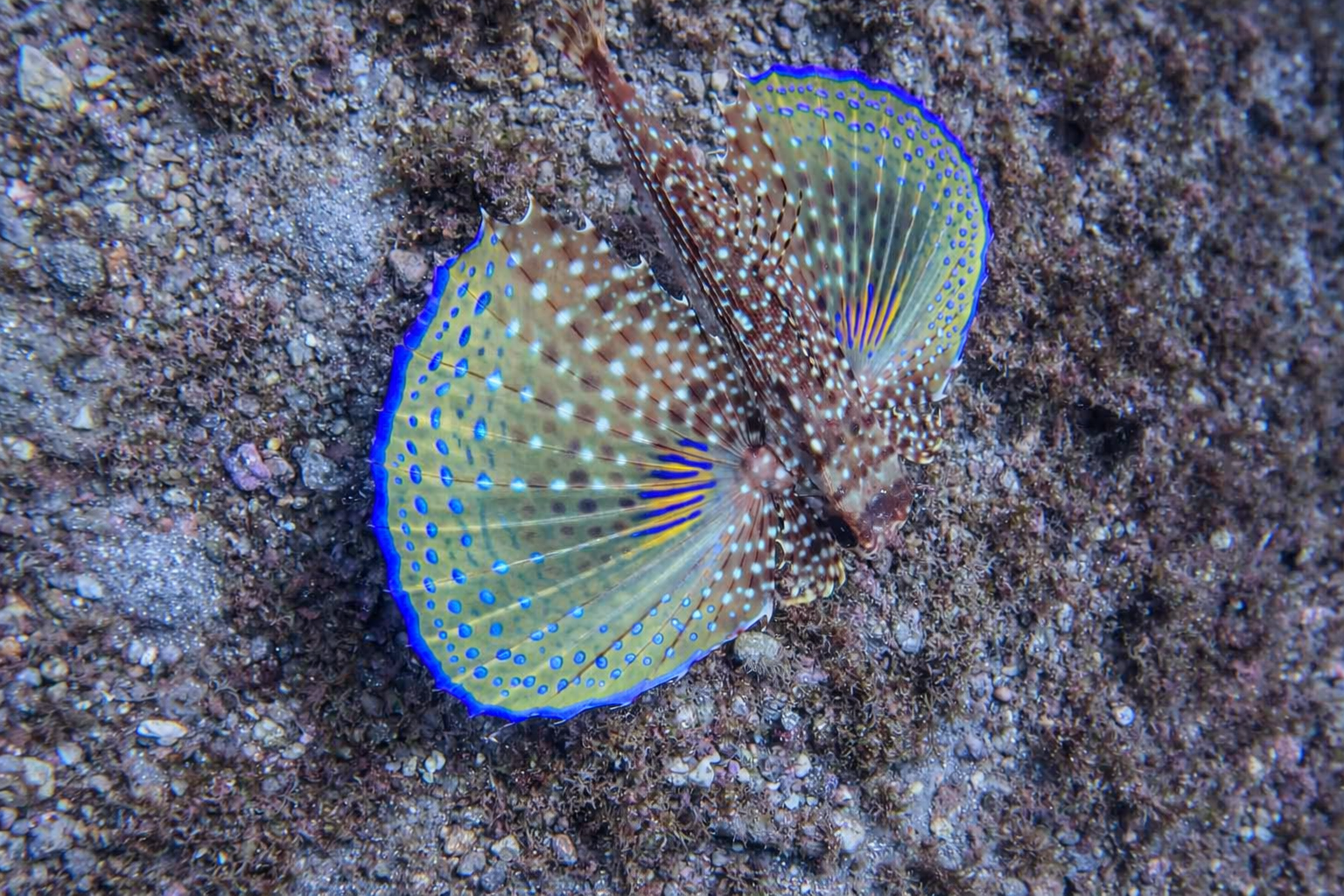
This is one of my favourites: A Spotted Flying Gurnard
Don't be fooled by the name — it doesn't fly, but it puts on one of the best displays in the Mediterranean.
Here's some fun facts about the Spotted Flying Gurnard
- Spreads huge, wing-like fins to startle predators
- Uses finger-like rays to “walk” along the seabed
- Feeds on small crustaceans and molluscs
- Usually shy and bottom-dwelling, found on sand and rubble
- Fun Fact: When the fins are folded, it looks completely ordinary — the colour burst is a surprise defence move.
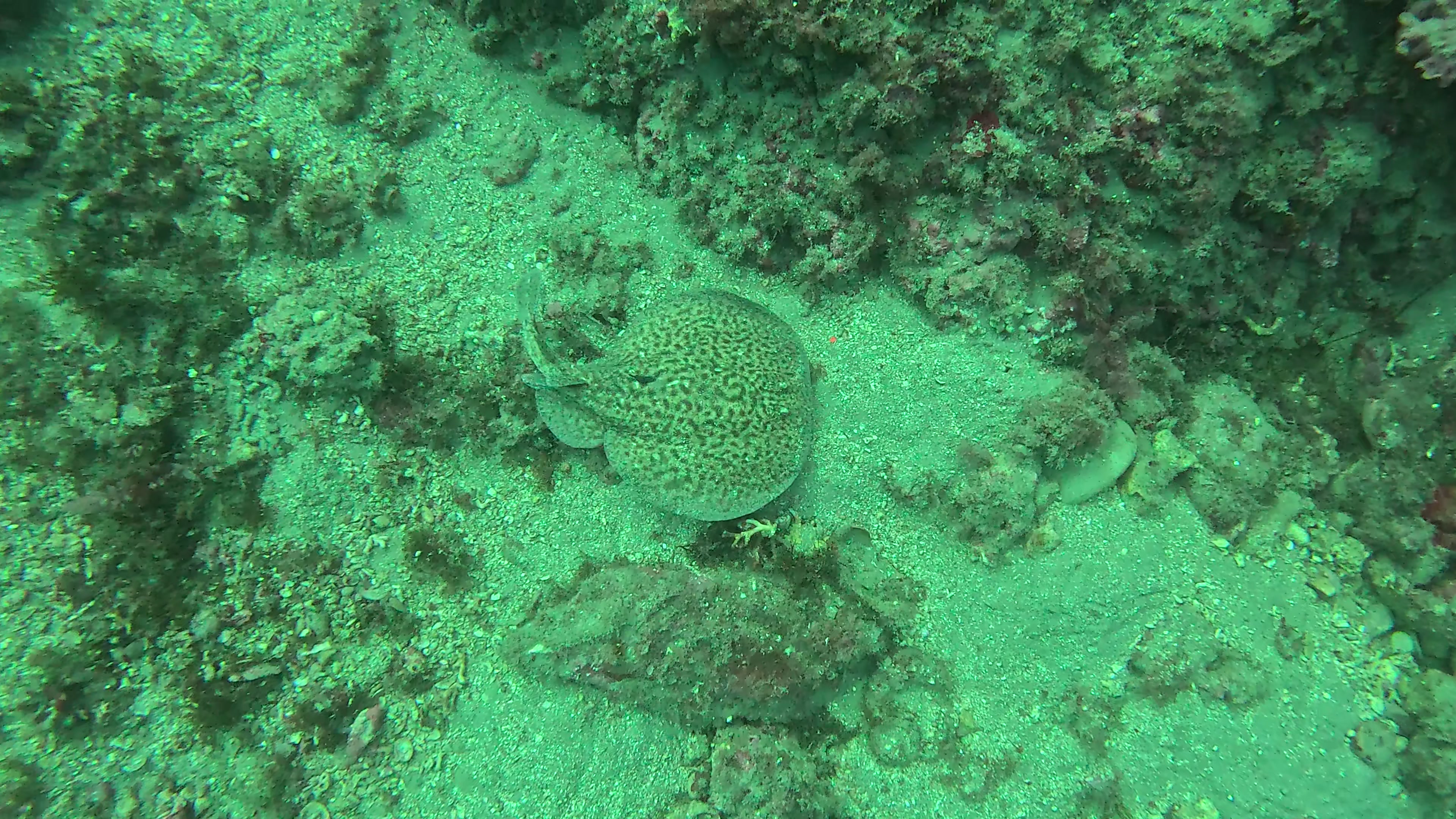
This is a Marble Ray
Beautiful, mysterious, and seriously misunderstood.
- Can generate electric shocks up to ~200 volts
- Uses electricity to hunt and defend itself
- Often buried in sand with only eyes visible
- Completely peaceful if not stepped on or disturbed
- Fun Fact: Ancient Greeks used electric rays for pain relief — one of the earliest forms of electrotherapy.
Mediterranean Starfish
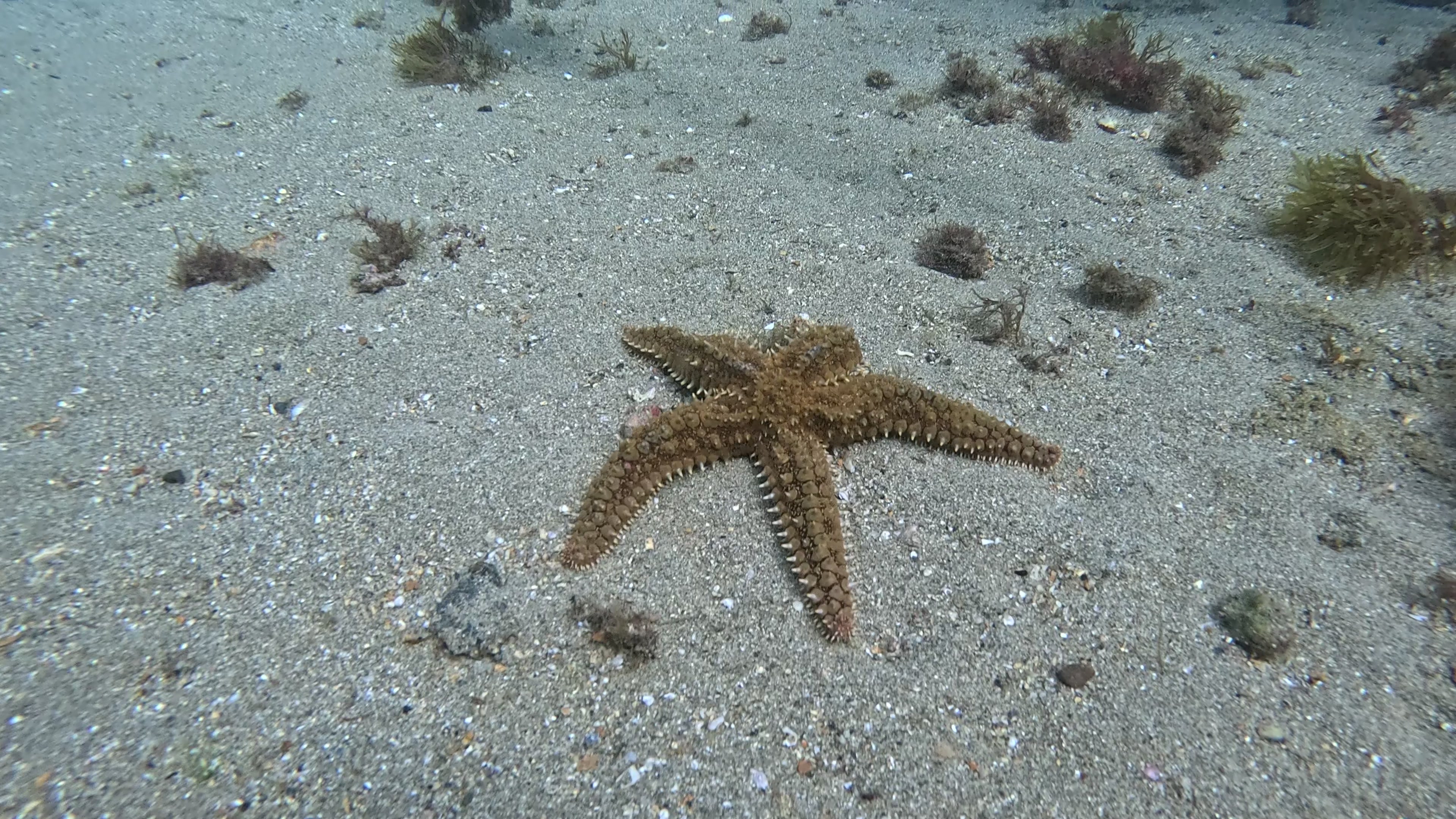
Often overlooked, but incredibly important to reef health.
- Can regrow lost arms
- Has no brain — uses a nerve ring instead
- Feeds by pushing its stomach outside its body
- Helps control mussel and barnacle populations
- Fun Fact:A starfish's “feet” work using water pressure — it's basically a living hydraulic system.
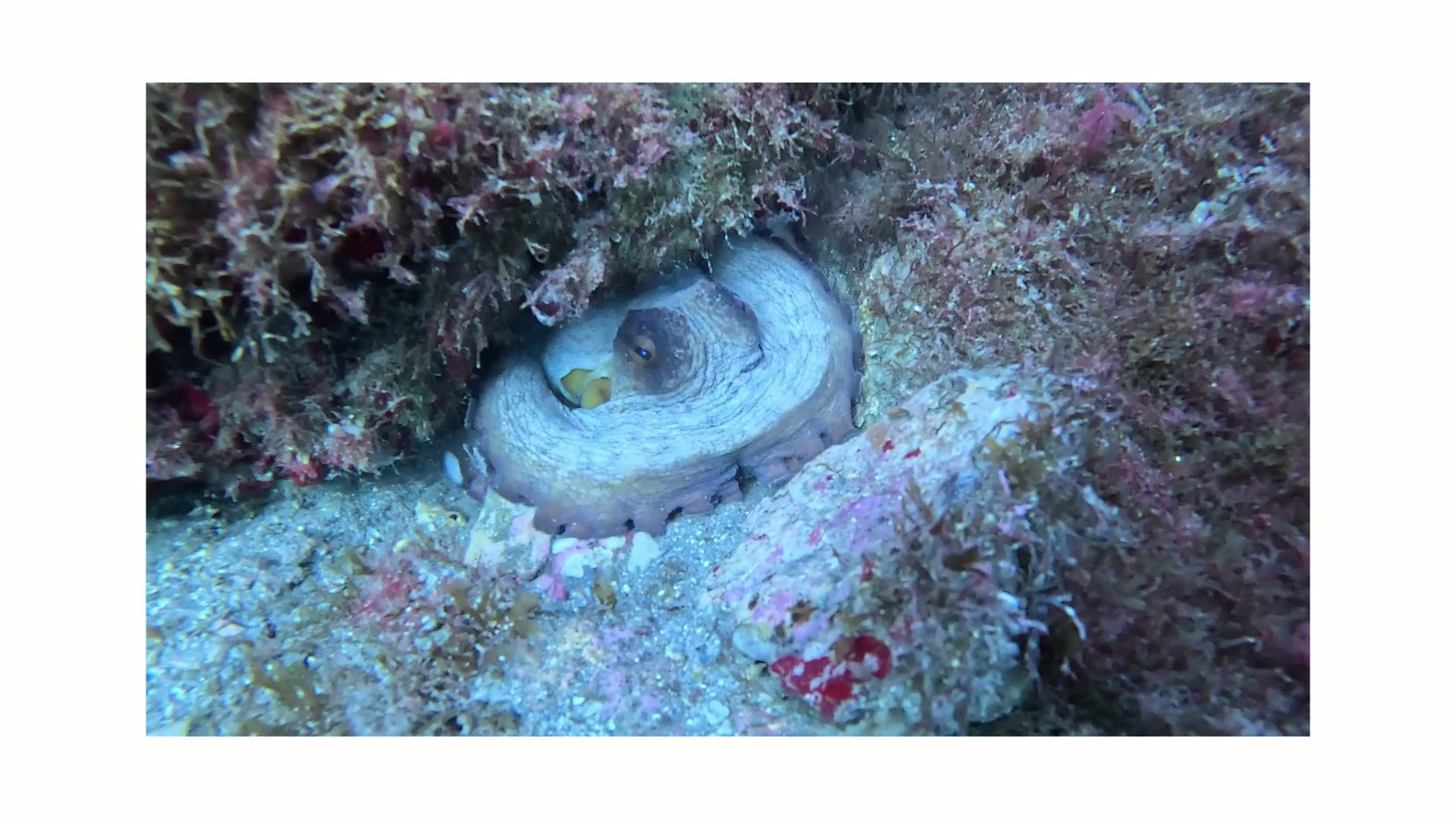
Common Octopus (Octopus vulgaris)
Possibly the smartest invertebrate in the ocean and are part of the Cephalopod family.
- Can change colour, texture, and shape in seconds
- Uses tools like shells and rocks
- Each arm has its own mini nervous system
- Lives in dens and is highly territorial
- Fun Fact
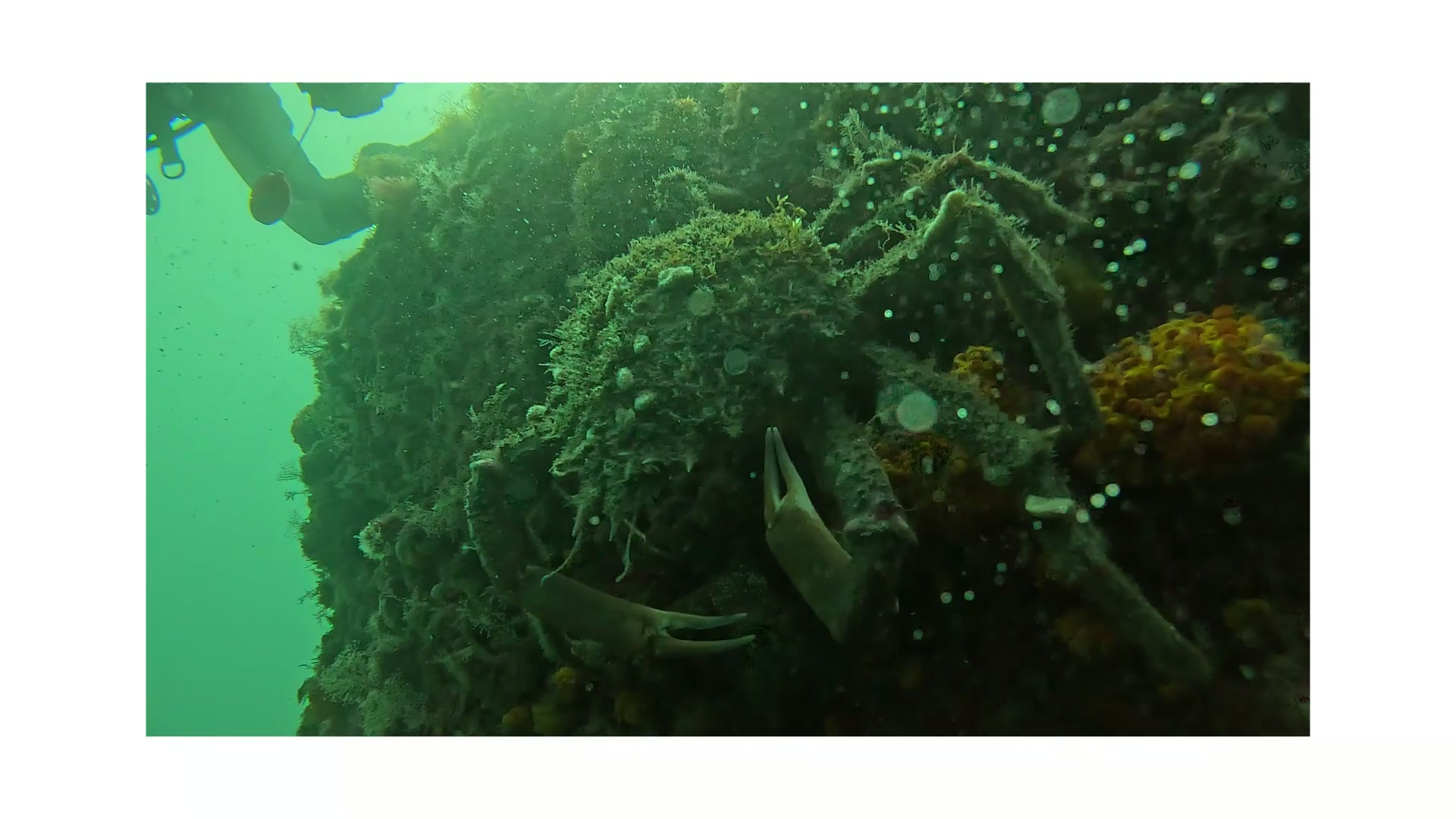
Spider Crab (Maja squinado)
One of the true giants of the Med, and a master of disguise.
- Can grow over 1 metre across including legs
- Mostly nocturnal and slow-moving
- Plays an important role cleaning the seabed
- Fun Fact:Young spider crabs deliberately decorate themselves — it's not accidental, it's strategy.
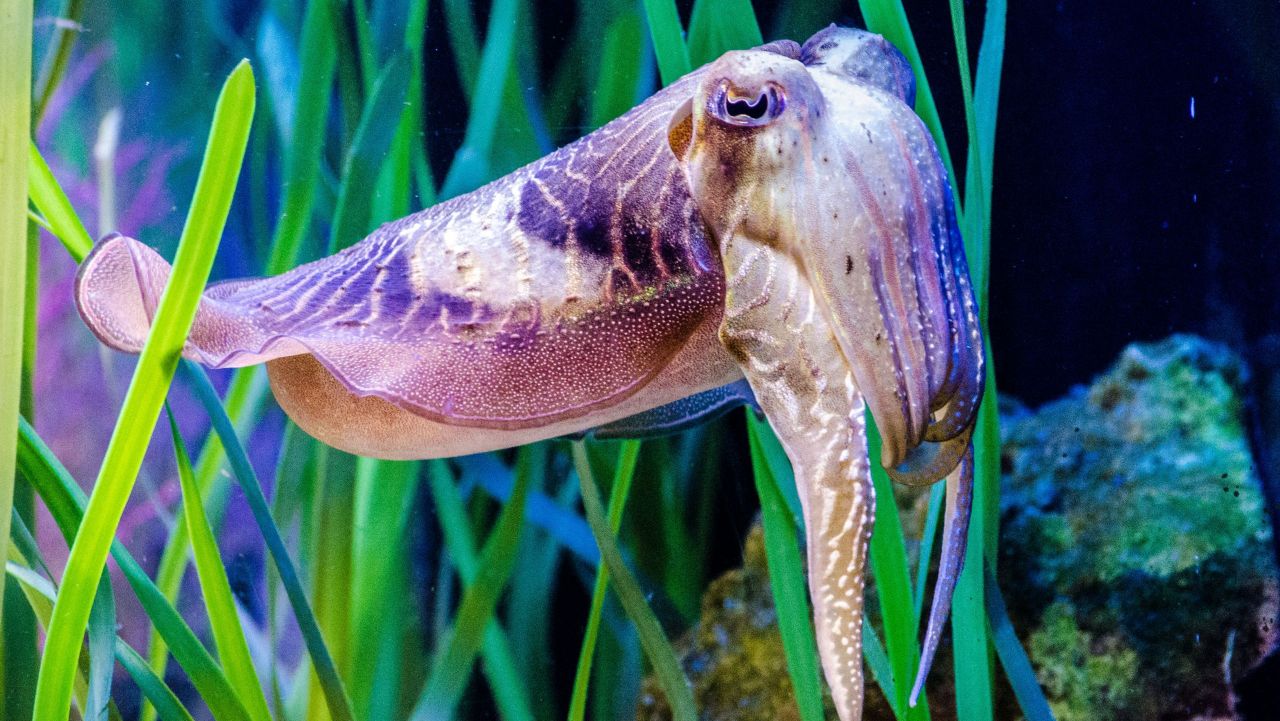
Cuttlefish
Cuttle Fish are Cephalopods (the cleaver ones) Octopus and Squid are also part of this family.
- Can change colour, pattern, and texture instantly
- Have distinctive W-shaped pupils
- Communicate using flashing patterns
- Float using an internal shell (the cuttlebone)
- Fun Fact: They’re colourblind — yet still masters of colour control.
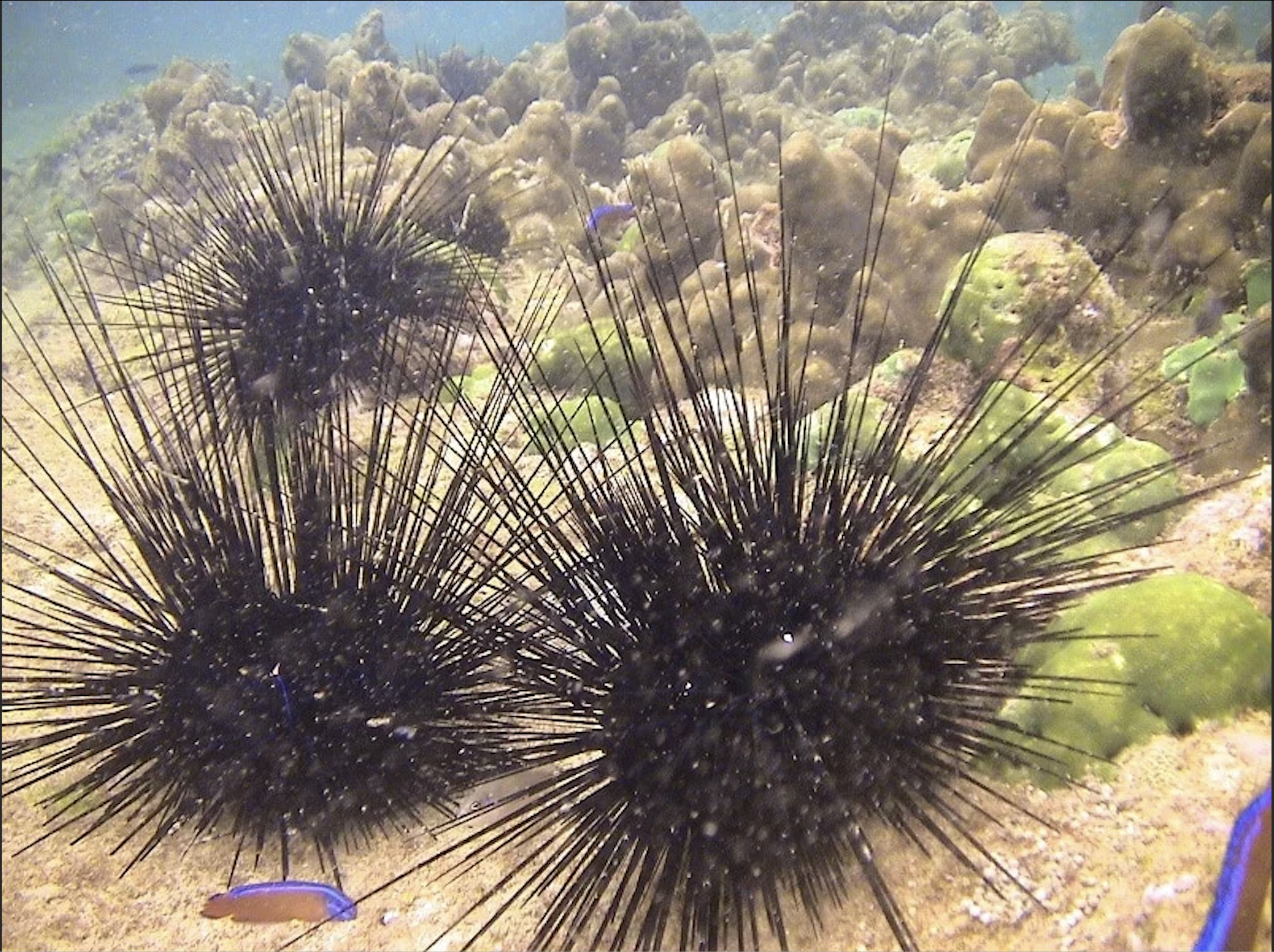
Sea Urchins
The common Mediterranean species is the purple sea urchin (Paracentrotus lividus)
- Live on rocky reefs and seagrass beds — important grazers that help keep algal growth in balance.
- They move using tube feet and spines and feed on algae and plant matter.
- Fun Fact: Sometimes overabundant urchins can overgraze kelp/seaweed forests, creating “urchin barrens,” which is why predators and balance are vital.